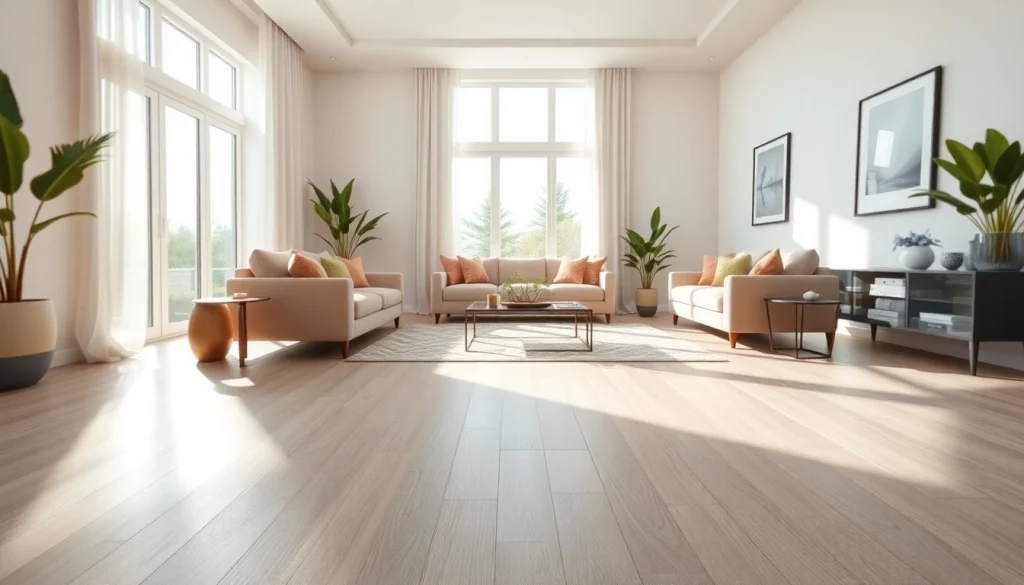

Understanding LVP Flooring
What is LVP Flooring?
LVP, or Luxury Vinyl Plank, flooring is a modern flooring solution that mimics the appearance of natural wood or stone while providing the durability that comes with vinyl. Composed of multiple layers, LVP is designed to withstand daily wear and tear, making it an ideal choice for both residential and commercial spaces. Unlike traditional hardwood, LVP offers a water-resistant surface, making it suitable for kitchens, bathrooms, and other moisture-prone areas. The planks are easy to install, often featuring click-lock technology, which simplifies the DIY process for homeowners.
Benefits of Best LVP Flooring
Choosing the best lvp flooring provides a myriad of advantages:
- Durability: LVP is resistant to scratches, dents, and stains, making it a long-lasting flooring solution.
- Water Resistance: Perfect for high-moisture areas, LVP floors can withstand spills and humid environments without warping.
- Variety of Design Options: Available in various colors, textures, and patterns, LVP can complement any interior design style.
- Ease of Maintenance: Cleaning LVP is simple, requiring only regular sweeping and periodic mopping.
- Cost-Effectiveness: LVP is often less expensive than hardwood, providing a similar aesthetic at a fraction of the cost.
Common Myths about LVP Flooring
Despite its popularity, several myths surrounding LVP flooring persist. Here are some clarifications to help you make informed choices:
- Myth 1: LVP flooring is the same as linoleum. Fact: Linoleum is made from natural materials, while LVP is a synthetic product that offers higher durability.
- Myth 2: LVP cannot be repaired. Fact: Damaged planks can often be replaced without the need to redo the entire floor.
- Myth 3: All LVP floors look fake. Fact: Many high-quality LVP options provide a realistic wood or stone appearance that can be hard to distinguish from the real thing.
- Myth 4: LVP is not environmentally friendly. Fact: Some manufacturers produce sustainable options with low VOC emissions.
Factors to Consider When Selecting the Best LVP Flooring
Durability and Maintenance
When selecting LVP flooring, one of the foremost considerations should be its durability. Look for products designed with a thick wear layer, ideally 20 mils or more, as this enhances resistance to scratches and stains. Additionally, consider the type of protective coating that the LVP has; a high-quality finish will provide longer-lasting protection. Regular maintenance is another key factor – most LVP products require minimal upkeep, including occasional sweeping and mopping with mild cleaners.
Design and Aesthetics
The aesthetic appeal cannot be overlooked while choosing the best LVP flooring. Explore a range of styles, from oak and walnut to ceramic and stone finishes, to find what best suits your home’s décor. Consider the color palette and how it complements your existing furniture and wall colors. Additionally, you can select planks in various sizes to create unique patterns or layouts that enhance your space visually.
Cost Considerations
While LVP is often more affordable than hardwood, prices can vary significantly depending on construction quality, brand reputation, and the technology used in its design. Set a budget that considers not only the cost of materials but also any necessary underlayment or installation services. Investing in good-quality LVP flooring may save you money in the long run due to reduced maintenance and replacement costs.
Installing Best LVP Flooring: A Step-by-Step Guide
Preparation and Tools Needed
Before diving into installation, adequate preparation is crucial. Gather these tools and materials:
- Measurement tape to determine the area size.
- A utility knife and straightedge for cutting planks.
- A tapping block and pull bar for securing pieces.
- A mallet for tapping planks into place.
- Underlayment if necessary for sound insulation.
Ensure your subfloor is clean, dry, and level to prevent complications later. If necessary, repair any existing damage and let it dry completely.
Installation Process Explained
Follow these steps for a successful LVP installation:
- Acclimate the Planks: Leave the planks in the room where they will be installed for at least 48 hours.
- Lay Out the Planks: Create a dry layout to visualize the arrangement and minimize cuts.
- Start Installation: Begin installing planks from one corner of the room, locking them into place as you go.
- Cut as Needed: Use the utility knife to trim planks at the edges and corners to fit.
- Complete the Installation: Once all planks are installed, check for gaps or loose ends and secure them properly.
Common Installation Mistakes to Avoid
Even DIYers can make mistakes during installation. Common pitfalls include:
- Failing to acclimate the flooring which can lead to expansion and contraction issues.
- Not allowing for expansion gaps around the room’s perimeter may cause warping.
- Using the wrong type of underlayment that can affect sound or moisture performance.
- Ignoring the manufacturer’s installation instructions can result in warranty voids.
Maintaining Best LVP Flooring for Longevity
Cleaning Tips for LVP Flooring
To maintain the appearance of your LVP flooring:
- Regularly sweep or vacuum to remove dirt and debris.
- Mop occasionally with a damp mop and a solution specifically designed for vinyl flooring.
- Avoid harsh chemicals and abrasive cleaners that can damage the surface.
Addressing Damage and Repairs
Accidents happen, but LVP flooring can often be repaired without replacing the entire floor. For minor scratches, a simple touch-up kit can be used. If a plank is severely damaged, it can often be replaced by unclicking it from its position and installing a new one. Always refer to the manufacturer’s instructions for repairs to ensure warranty coverage remains intact.
Best Practices for Maintaining Appearance
Maintaining the aesthetics of LVP flooring requires adopting some best practices:
- Use floor protectors under furniture legs to prevent scratching.
- Place rugs in high-traffic areas, such as entryways, to minimize wear.
- Keep pet nails trimmed to avoid scratching the surface.
FAQs about Best LVP Flooring
Is LVP Flooring waterproof?
While many LVP products offer water-resistant features, true waterproof options exist and can withstand full immersion without damage. Always verify product specifications.
Can I install LVP flooring over existing floors?
Yes, LVP can often be installed over existing floors, provided they are flat and in good condition, minimizing the need for extensive subfloor preparation.
How do I clean and maintain LVP flooring?
Regular sweeping and mopping with a mild cleaner is sufficient. Avoid harsh chemicals and excessive water to maintain the flooring’s durability and appearance.
Does LVP flooring need underlayment?
This depends on the product; some LVP comes with attached underlayment, while others require a separate layer for added comfort and sound insulation.
How to choose the right color for LVP flooring?
Consider your room’s size, lighting, and existing colors. Lighter colors can make a space feel larger, while darker shades add warmth and coziness.