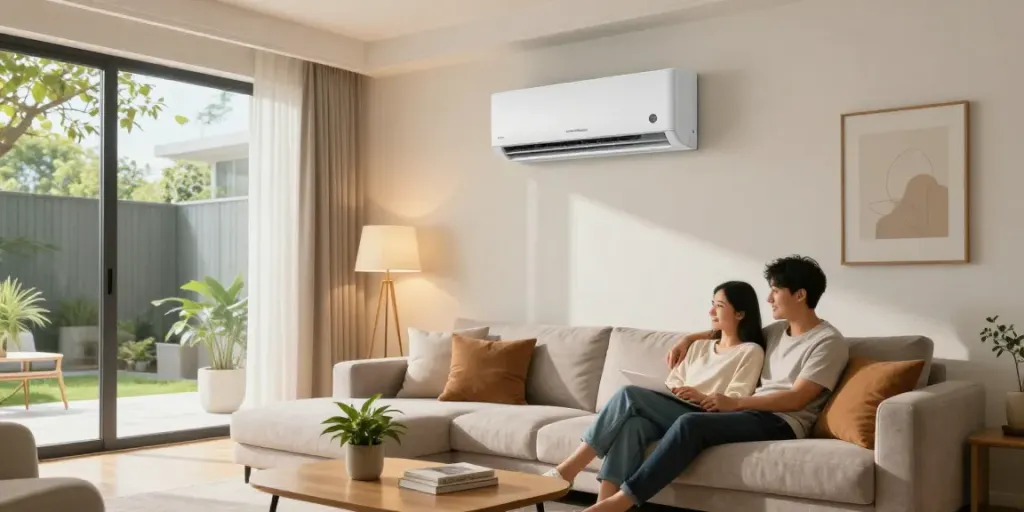
Understanding Mini Split Air Conditioners
In today's age of energy-efficient living, mini split air conditioners stand out as a popular choice for both residential and commercial spaces. These systems are designed to provide targeted cooling and heating, making them an excellent option for homeowners looking to optimize comfort while minimizing energy bills. When exploring options, mini split air conditioner offer a versatile solution that adapts well to various environments, ranging from cozy apartments to spacious homes.
What is a Mini Split Air Conditioner?
A mini split air conditioner is a type of HVAC system that consists of two main parts: an outdoor compressor unit and one or more indoor air-handling units. Unlike traditional HVAC systems that rely on ductwork, mini splits are ductless, which allows for flexible installation and efficient temperature control in specific areas of your home. These systems are particularly valuable for homes without existing ductwork or for spaces where extending ducts would be impractical or cost-prohibitive.
Benefits of Ductless Systems
- Energy Efficiency: Mini splits are known for their energy efficiency, often achieving higher SEER (Seasonal Energy Efficiency Ratio) ratings than conventional systems. This means lower energy consumption and reduced utility bills.
- Zone Control: With the ability to install multiple indoor units connected to a single outdoor compressor, mini splits allow you to cool or heat specific zones in your home according to individual preferences.
- Easy Installation: The lack of ductwork means mini splits can be installed in much less time and with less invasive procedures compared to traditional systems.
- Enhanced Air Quality: Mini splits typically include advanced filtration options that improve indoor air quality by removing allergens and pollutants.
Key Components of Mini Split Systems
The central components of a mini split system include:
- Outdoor Unit: The compressor and condenser sit outside, responsible for pumping refrigerant to the indoor units.
- Indoor Unit: These units are mounted on walls or ceilings and distribute conditioned air through built-in fans.
- Refrigerant Lines: These insulated lines connect the indoor and outdoor units, allowing for the efficient transfer of heat.
- Thermostat/Control System: Mini splits often come with remote controls or smart technology, enabling easy temperature adjustment and scheduling.
Installation Considerations
Choosing the Right Location
When deciding where to install your mini split air conditioner, consider both aesthetic and functional elements. Ideally, the indoor unit should be placed where it can effectively distribute air without obstructions. Areas like living rooms, bedrooms, and home offices are common spots, yet each room's layout should be assessed to optimize airflow.
Understanding Installation Costs
The overall cost of installing a mini split system can vary widely based on factors such as the complexity of installation, the number of indoor units required, and local labor rates. Typically, the price for a complete installation ranges from $3,000 to $7,000. While this may initially seem steep, the long-term energy savings and the ability to control temperature in individual zones often justify the investment.
Professional vs. DIY Installation
While some homeowners may consider DIY installation for mini splits, this can be risky and may void warranties if not correctly performed. Hiring a professional ensures that the system is installed to the manufacturer's specifications, maximizing efficiency and longevity. Professionals are also up-to-date on local codes and regulations, ensuring compliance.
Optimizing Performance
Setting Temperature and Modes
For optimal performance, familiarize yourself with the various modes of your mini split system, such as cooling, heating, and energy-saving modes. Set the temperature to a comfortable setting, typically between 72°F and 78°F for cooling. Adjusting the temperature by just a few degrees can significantly impact energy usage and comfort levels.
Maintaining Energy Efficiency
To maintain the energy efficiency of your mini split system, regularly check and clean the filters, which should be done at least every month during the cooling season. Additionally, ensure that the outdoor unit is free from debris and that the condensate drain is clear. This will enhance air flow and prevent potential downtime.
Regular Maintenance Tips
Scheduling annual maintenance with professionals can further extend the lifespan of your mini split system. During these visits, technicians will clean the coils, check refrigerant levels, and ensure that all components are functioning correctly. Homeowners can also perform routine inspections to identify any potential issues before they escalate.
Common Challenges and Solutions
Addressing Noise Complaints
One of the primary concerns with mini split systems can be noise, particularly from the outdoor unit. To mitigate this, ensure that the outdoor compressor is installed on a solid foundation to reduce vibration and noise transfer. Additionally, consider installing the unit away from frequently used areas to minimize sound disruptions.
Handling High Electric Bills
If you experience an unexpected increase in your energy bills, first check the thermostat settings and ensure that the system is running in energy-saving mode. Also, inspect the filters and outdoor unit to ensure they are clean and free from obstructions. If issues persist, consulting a professional for a system evaluation may reveal underlying problems.
Dealing with Inadequate Cooling
In scenarios where a mini split system fails to cool effectively, check for blockages in the filters or refrigerant lines. It's also essential to ensure that the outdoor unit is not exposed to excessive heat or direct sunlight, as this can impact its performance. If the system is still underperforming, professional assessment may be required to check for refrigerant leaks or compressor malfunctions.
Future Trends in Air Conditioning
Smart Technology Integration
The future of mini split systems is heavily leaning toward smart technology integration. Wi-Fi-enabled units allow homeowners to control their systems remotely via smartphones, enabling optimal temperature management from anywhere. Future advancements may see further integration with home automation systems, improving user convenience and energy efficiency.
Eco-Friendly Refrigerants
With the growing concern over climate change, many manufacturers are moving towards eco-friendly refrigerants that have a lower environmental impact. These new refrigerants not only help reduce greenhouse gas emissions but also improve the overall efficiency of the cooling process.
Predictions for Mini Split Innovations in 2026
As the HVAC industry continues to evolve, we can expect mini splits to incorporate more advanced features, such as improved energy-saving capabilities, quieter operation, and better design aesthetics. Increased focus on sustainability may lead to systems that utilize renewable energy sources, such as solar panels, providing even greater energy independence and cost savings for homeowners.