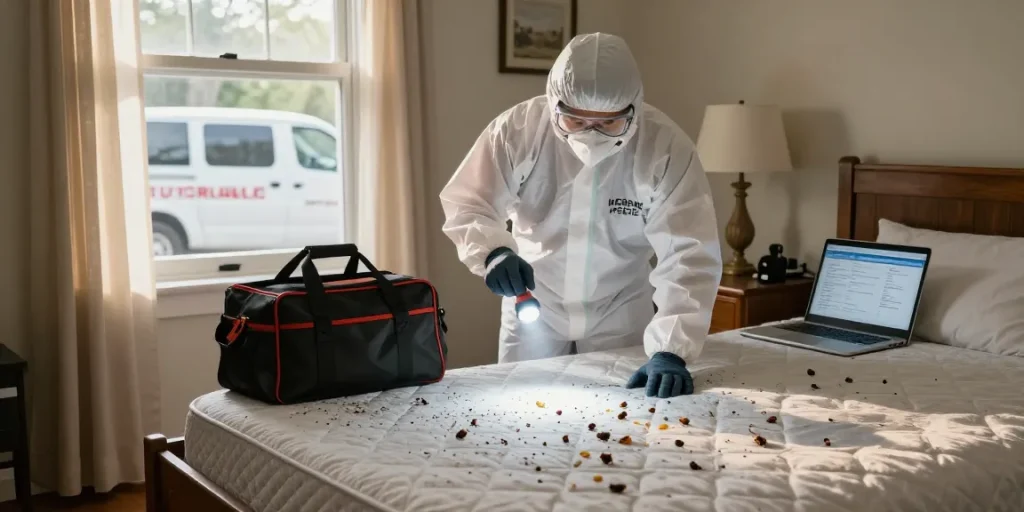

Understanding Bed Bugs
Bed bugs are small, blood-sucking insects that can disrupt your sleep and lead to significant discomfort. They often infiltrate homes through infested luggage, furniture, or clothing, making their detection and elimination crucial for maintaining a healthy living environment. If you suspect a bed bug infestation, the first step is to understand these pests and their habits. Not only are they resilient, but they can also reproduce quickly, leading to widespread issues if not addressed promptly.
For those seeking efficient solutions, delving into effective bed bug pest control methods is paramount. Recognizing the signs, understanding treatment options, and learning preventive measures will empower homeowners and renters alike in combating bed bug invasions.
What are Bed Bugs and Their Habits?
Bed bugs (Cimex lectularius) are nocturnal insects that feed primarily on human blood. Adult bed bugs are about the size of an apple seed, with a flat, oval shape that allows them to hide easily in various crevices. They are adept at traveling, often hitchhiking on personal belongings, and can live for several months without feeding. Their hiding spots include the seams of mattresses, box springs, bed frames, and sometimes even cracks in walls and floorboards. A significant aspect of their behavior is their ability to sense body heat and carbon dioxide, which they use to locate their hosts.
Common Signs of Bed Bug Infestation
Identifying a bed bug infestation early is vital for effective treatment. Common signs include:
- Itchy skin welts: These often appear in clusters or lines.
- Bloodstains: Small red or brown spots on sheets and mattresses can indicate crushed bugs.
- Dark spots: Fecal droppings can be found on bedding or furniture.
- Shell casings: As bed bugs mature, they shed their skins, which can also be found in infested areas.
Health Risks Associated with Bed Bugs
While bed bugs are not known to transmit diseases, their bites can lead to various allergic reactions and secondary infections. The physical irritation from bites can disrupt sleep, contributing to stress, anxiety, or other related health issues. Additionally, individuals may experience insomnia or unease due to the psychological impact of a bed bug infestation.
Effective Bed Bug Pest Control Methods
Chemical Treatments: Benefits and Drawbacks
Chemical treatments have long been a staple in combating bed bug infestations. Pesticides can be effective in eliminating bed bugs and their eggs when applied correctly. Some advantages include immediate knockdown of pests and residual protection for several months post-application. However, drawbacks include potential toxicity to humans and pets, the possibility of bed bugs developing resistance, and the necessity of thorough preparation before treatment.
Innovative Heat Treatment Techniques
Heat treatment has gained popularity as an eco-friendly alternative to chemical pesticides. By raising the temperature of the infested area to levels lethal for bed bugs (around 120°F or higher), this method effectively exterminates all life stages, including eggs. This approach not only provides a rapid solution but also minimizes health risks associated with chemical exposure. However, it requires specialized equipment and thorough preparation to ensure efficacy.
Combination Approaches for Optimal Results
For many homeowners, a combination of heat and chemical treatments can yield the best results. Utilizing the immediate effectiveness of heat treatment followed by a residual chemical application can help prevent future infestations. This combined method addresses both immediate and long-term control, ensuring that any missed bugs are eliminated over time.
Preparing for Bed Bug Treatments
Steps to Take Before the Extermination
Proper preparation for bed bug extermination is crucial for the success of any treatment plan. Before the exterminators arrive, consider taking the following steps:
- Remove all bedding and wash it in hot water to eliminate any visible bugs or eggs.
- Clear clutter from the infested areas to allow for thorough inspections and treatment.
- Vacuum the infested rooms and discard the vacuum bag immediately.
Importance of Limited-Prep Options
Not everyone has the time or ability to prepare their home thoroughly for bed bug treatments. Limited-prep options, though slightly more expensive, offer a practical alternative for those who need convenience. These options often involve less stringent requirements, making the process more manageable for busy homeowners.
How to Protect Your Belongings
To protect your belongings during the treatment process, seal items in plastic bags or containers. This prevents bed bugs from migrating to untreated areas and ensures that your belongings remain safe from infestation. Additionally, consider using bed bug-proof encasements for mattresses and box springs to provide an added layer of protection.
Post-Treatment Care and Prevention
Signs of Successful Treatment
After treatment, it’s essential to monitor the infested areas for signs of success. Look for a reduction in bite signs, a decrease in visible bugs or fecal matter, and an overall improvement in sleep quality. Regular inspections and vigilance will help confirm the effectiveness of your pest control efforts.
Best Practices for Bed Bug Prevention
Preventing a bed bug infestation is often easier than eliminating one. Here are some best practices to keep your home bed bug-free:
- Regularly inspect used furniture and clothing before bringing them into your home.
- Utilize protective covers on mattresses and box springs.
- Maintain a clean and clutter-free environment to reduce hiding spots.
When to Schedule Follow-Up Inspections
Even after successful treatment, it’s wise to schedule follow-up inspections. A follow-up 2-3 months after initial treatment helps ensure that all pests have been eliminated and that no new infestations have occurred. Early detection can save both time and money.
Case Studies and Testimonials
Real-Life Success Stories in Milwaukee
In Milwaukee, many families have benefited from our comprehensive bed bug control services. One notable case involved a family who discovered an infestation in their apartment. After our team conducted a thorough inspection, we utilized a combination of heat treatment followed by chemical sprays. The result was a complete eradication of the pests within weeks. Their satisfaction exemplified our commitment to effective pest control.
Customer Experiences with Our Services
Our clients often express their appreciation for our discreet services and effective treatments. One customer noted, “The technicians were professional and worked around my schedule. I felt at ease knowing they were using eco-friendly methods.” Such testimonials reflect our dedication to customer satisfaction and effective solutions.
Lessons Learned from Previous Infestations
Each infestation presents an opportunity for learning. By analyzing treatment outcomes and customer feedback, we continuously refine our methods. For instance, clients who opted for our limited-prep options often reported high satisfaction due to the ease of the process, prompting us to enhance those offerings.
What is the most effective method for bed bug pest control?
The effectiveness of bed bug pest control depends on various factors, including the severity of the infestation and the specific conditions of the environment. A combination of heat and chemical treatments often provides the best results, ensuring that all life stages of bed bugs are addressed.
How long does it take to see results from treatment?
Results can vary based on the method chosen and the severity of the infestation. Generally, heat treatments offer immediate results, while chemical treatments may take several days to show effectiveness, especially if a residual barrier is established.
Are DIY methods effective for bed bug pest control?
While some DIY approaches can kill individual bed bugs, they often lack the effectiveness needed for complete eradication of an infestation. Professional treatments are necessary for long-term success, as they use commercial-grade products and methods that penetrate all hiding spots.
How can I prevent bed bugs from returning?
To prevent bed bugs from returning, maintain cleanliness, conduct regular inspections, and consider using protective covers on mattresses. Being vigilant when traveling and checking for bed bugs in second-hand items is also crucial.
What should I do if I suspect a bed bug infestation?
If you suspect a bed bug infestation, it’s essential to act promptly. Start by inspecting your sleeping area and belongings for signs of bed bugs. If you find evidence, contact a pest control expert to assess and treat the issue professionally.