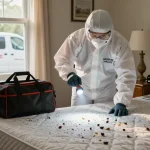

Understanding Open Cell Spray Foam Removal
What is Open Cell Spray Foam?
Open cell spray foam is a popular insulation material characterized by its light and flexible structure. It consists of millions of tiny cells that are not fully closed, allowing air to fill the space. This unique property gives open cell spray foam excellent thermal insulation and soundproofing capabilities. Often used in residential and commercial buildings, it adheres well to various surfaces, making it a favored choice for contractors and DIY enthusiasts alike.
Why Removal May Be Necessary
Despite its many advantages, there are situations where open cell spray foam removal becomes necessary. Some common reasons include the presence of moisture or water damage, which can lead to mold growth, or the foam’s degrading effectiveness over time. Additionally, if renovations are planned or if there’s a need to replace insulation due to shifting codes or building standards, removal is warranted. Poor installation practices can also necessitate removal to avoid energy inefficiencies or health risks.
Common Challenges during Removal
Removing open cell spray foam can present several challenges. The material can bond strongly to surfaces, making it difficult to peel away. Additionally, the removal process can create dust and debris that may require extensive cleanup. Safety is another concern, as exposure to the foam or its particles can be hazardous. Careful planning and execution are crucial to mitigating these challenges to ensure a safe and effective removal process.
Preparation for Open Cell Spray Foam Removal
Assessing the Area and Risks
Before embarking on the removal process, a thorough assessment of the area is essential. This involves inspecting for any underlying structural issues that may have contributed to insulation failure, such as leaks or water damage. Identifying such risks is key to ensuring a safe removal environment, as it will dictate the necessary precautions that need to be taken. Structures should be evaluated for electrical installations, plumbing lines, and any heavy items in the vicinity to avoid accidents during removal.
Tools and Equipment Needed
A successful open cell spray foam removal requires specific tools and equipment. Essential tools include utility knives or insulation removal blades for cutting the foam, scrapers for peeling away the material, and goggles and masks for personal protection. Heavy-duty gloves are also vital to protect hands from potential irritants. A shop vacuum can help in collecting debris, while drop cloths will keep the work area clean. In some instances, power tools may be needed for large or stubborn areas, but these should be used with care and consideration for safety.
Safety Protocols to Follow
Safety should always be the top priority when undertaking insulation removal. Proper personal protective equipment (PPE) should be worn at all times, including gloves, goggles, and respiratory masks. Ventilating the area can further minimize exposure to dust and fumes. It’s wise to take regular breaks and hydrate to avoid fatigue. If there are indications of significant mold or chemical exposure, it might be necessary to consult a professional, as they have the training and equipment to handle hazardous materials safely.
Step-by-Step Guide to Open Cell Spray Foam Removal
Removing Foam with Hand Tools
Using hand tools for open cell spray foam removal can be effective, especially in smaller, confined spaces. Start by making a series of shallow cuts along the edges of the foam using a utility knife. This helps to break the seal and makes it easier to pry the foam away from the surface. Once you have an edge, use a scraper to gently lift and peel off the foam. It’s important to work slowly to avoid damaging the underlying materials and ensure a clean removal.
Using Professional Equipment
For larger areas or tougher foam applications, utilizing professional equipment may be necessary. Contractors often employ specialized removal equipment, such as foam saws and heated removal tools that can speed up the process. These tools can effectively cut through the foam and reduce the physical effort required. If opting for this approach, ensure to follow the manufacturer’s guidelines for the equipment to ensure safe and effective operation.
Cleaning Up After Removal
Once the spray foam has been removed, cleaning the area is crucial. Start by using a shop vacuum to collect any remaining foam particles or debris. Wipe down surfaces with damp cloths to remove residual dust. It’s important to inspect the area for any lingering moisture or signs of mold that may need addressing, especially if the foam was removed due to water damage. Finally, assess the underlying surfaces for damage; repairs may be necessary before applying new insulation or materials.
Post-Removal Considerations
Insulation Alternatives
Upon completion of open cell spray foam removal, considering alternative insulation materials is essential. Choices include closed-cell spray foam, fiberglass batts, or cellulose insulation. Each alternative has its own benefits and drawbacks concerning cost, effectiveness, and installation requirements. An assessment of the specific needs of your space, including climate considerations and R-value requirements, will guide your selection of insulation materials.
Preventing Recurrence of Issues
To prevent the recurrence of insulation-related issues, it’s important to address any underlying problems that led to the need for removal. This may involve sealing air leaks, repairing roof or plumbing leaks, or ensuring proper ventilation in crawl spaces or attics. Regular maintenance and inspections can help catch any potential issues early and ensure the longevity of the new insulation system that is installed.
When to Seek Professional Help
While DIY removal is feasible, certain circumstances may require professional assistance. If you encounter extensive mold, structural damage, or if the foam is embedded in hard-to-reach locations, professionals have the experience and equipment to safely and effectively handle these situations. Furthermore, they can provide a thorough assessment of the area post-removal to ensure it is primed for new insulation.
FAQs about Open Cell Spray Foam Removal
How long does open cell spray foam removal take?
The duration of open cell spray foam removal can vary widely based on the area size and the extent of the foam. Generally, it can take anywhere from a few hours to several days for complete removal and cleanup.
Can I remove open cell spray foam myself?
Yes, homeowners can remove open cell spray foam themselves, but it’s crucial to follow safety protocols and use proper tools. Understanding the risks and challenges beforehand is essential for a safe and effective removal.
What safety equipment is needed for removal?
Essential safety equipment includes gloves, goggles, and a respiratory mask to protect against dust and potential irritants during the removal process. Proper PPE ensures a safer work environment.
Is open cell spray foam toxic?
Open cell spray foam is not toxic in its cured state; however, exposure to uncured foam or dust during removal can pose health risks. Proper precautions should be taken to mitigate any exposure during the removal process.
How much does professional removal cost?
The cost of professional open cell spray foam removal varies based on several factors, including the area size and complexity of the job. Generally, prices range from hundreds to thousands of dollars, depending on the specifics.